August 14, 2026
Zoltrate — What It Is, How It Works, and What Patients Need to Know
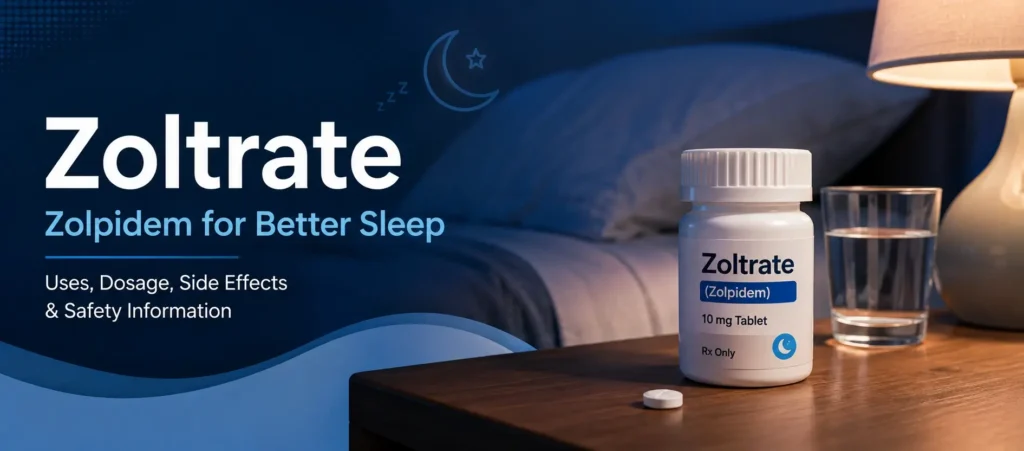
Medical review: Content prepared for review by a licensed pharmacist or other qualified medical professional before publication. Country: United States Content type: Patient education / medication awareness Sleep problems can be temporary, but persistent difficulty falling asleep can affect concentration, mood, work performance, and overall quality of life. When medication is appropriate, physicians may prescribe a sedative-hypnotic such as zolpidem for certain adults with insomnia. One important point for patients in the United States is that Zoltrate is a brand name associated with zolpidem products in some markets, but the U.S. prescribing information is based on the active ingredient, zolpidem tartrate. Patients should verify the exact product, strength, and formulation on their prescription label rather than assuming that every product marketed under a similar brand name has the same U.S. approval status or dosing instructions. U.S. FDA-approved zolpidem products include generic zolpidem and specific branded formulations such as Ambien.
What Is Zoltrate?
Zoltrate is commonly used to refer to a zolpidem-containing sleep medication. Zolpidem belongs to a group of medicines called sedative-hypnotics and is often described as a non-benzodiazepine hypnotic or “Z-drug.” In the United States, zolpidem is a Schedule IV controlled substance under federal law because it has potential for abuse, misuse, and physical dependence. The U.S. prescribing information for Ambien identifies zolpidem tartrate as a Schedule IV controlled substance. For patients searching for information about Zoltrate zolpidem medication, the most important thing is to identify the active ingredient and formulation. Immediate-release zolpidem tablets, extended-release formulations, and sublingual products do not necessarily have identical dosing instructions.
How Does Zoltrate Work?
Zoltrate How It Works
Zolpidem acts on GABA-A receptors in the central nervous system. GABA, or gamma-aminobutyric acid, is an inhibitory neurotransmitter that helps reduce activity in the brain. Zolpidem enhances GABA-A receptor-mediated inhibitory activity, which can promote sleep. In simple terms, the medication reduces certain types of brain activity associated with wakefulness and makes it easier for some patients to fall asleep. This does not mean zolpidem treats every underlying cause of insomnia. Persistent sleep problems can sometimes be related to anxiety, depression, medications, sleep apnea, restless legs syndrome, pain, substance use, or other medical conditions. If insomnia continues despite treatment, the underlying cause may need to be reassessed.
What Conditions Is Zolpidem Prescribed For?
Zoltrate for Insomnia Treatment
Immediate-release zolpidem is FDA-approved for the short-term treatment of insomnia characterized by difficulty initiating sleep. Clinical studies supporting immediate-release zolpidem included relatively short treatment periods, so ongoing insomnia should be discussed with a healthcare professional rather than managed indefinitely with the medication. Patients may hear terms such as:
- Sleep-onset insomnia — difficulty falling asleep
- Short-term insomnia — sleep difficulty occurring over a limited period
- Chronic insomnia — persistent sleep difficulty requiring assessment of contributing factors
- Sleep disorders — a broad term covering several different conditions
Zolpidem should not automatically be considered appropriate for every type of sleep disorder. The correct treatment depends on the diagnosis and the patient’s medical history.
Zoltrate Dosage and Usage
The appropriate dose depends on the specific zolpidem formulation, the patient’s characteristics, other medicines, and the prescribing clinician’s judgment. For immediate-release zolpidem tablets, U.S. prescribing information commonly describes an initial dose of 5 mg for women and 5 or 10 mg for men, taken immediately before bedtime, with at least 7–8 hours available for sleep. The total dose should not exceed 10 mg per day for this formulation. Older adults and patients with mild-to-moderate hepatic impairment generally require a 5 mg dose. These figures are prescribing-information references, not instructions to change your own dose. A patient prescribed a Zoltrate 10mg tablet should take it only according to the prescription and should not split, increase, repeat, or otherwise modify the dose unless instructed by the prescriber or pharmacist. Zolpidem may work more slowly when taken with or immediately after a meal. For safe administration, patients should generally:
- Take the medication only as prescribed.
- Take bedtime zolpidem immediately before going to bed.
- Make sure enough time remains for a full night’s sleep.
- Never take more than the prescribed amount.
- Avoid taking another sleep medication at the same time unless specifically instructed.
- Discuss missed doses with a pharmacist or prescriber rather than taking an extra dose.
Who Should and Should Not Take Zolpidem?
A healthcare professional should review your medical history before prescribing zolpidem. Zolpidem is contraindicated in people with a known hypersensitivity to zolpidem. Current prescribing information also contraindicates zolpidem in patients who have previously experienced complex sleep behaviors after taking zolpidem. Extra caution or medical assessment may be needed in people with:
- Liver disease
- Breathing problems or respiratory impairment
- A history of substance misuse or dependence
- Depression or other psychiatric conditions
- Older age or increased sensitivity to sedative medications
- Pregnancy or breastfeeding
- Other medicines that cause sleepiness or central nervous system depression
Patients with severe hepatic impairment should generally not use immediate-release zolpidem because of concerns including the potential for hepatic encephalopathy. Zolpidem is also not established as safe and effective for routine use in children.
Zoltrate Side Effects
Common Side Effects
Zolpidem can cause central nervous system effects. Depending on the formulation and individual patient, reported adverse effects may include:
- Drowsiness
- Dizziness
- Headache
- Fatigue
- Reduced alertness
- Impaired coordination
- Nausea
- Memory or concentration problems
Not every patient experiences side effects, and the severity can vary.
Serious Side Effects Requiring Prompt Attention
Some reactions require immediate medical attention. These include:
- Complex sleep behaviors such as sleep-driving or sleepwalking
- Severe confusion or unusual behavioral changes
- Serious allergic reactions, including swelling of the face, tongue, or throat
- Significant breathing problems
- Severe impairment or unusual sedation
The FDA requires a boxed warning for zolpidem and certain other prescription insomnia medicines because complex sleep behaviors can result in serious injuries or, rarely, death. These behaviors can occur even at recommended doses and may occur after the first dose. If a patient experiences a complex sleep behavior after taking zolpidem, FDA guidance states that the medicine should be discontinued and the patient should contact a healthcare professional immediately.
Zoltrate Warnings and Precautions
One of the most important Zoltrate warnings and precautions concerns impairment after taking the medicine. Zolpidem can impair alertness, reaction time, coordination, and driving ability. Importantly, a person may feel awake while still having clinically relevant impairment the following morning. The risk can be greater when a higher dose is used, when there is insufficient time for sleep, or when zolpidem is combined with alcohol or other central nervous system depressants. Patients should not drive or perform hazardous activities if they remain drowsy or impaired. Another major warning concerns complex sleep behaviors. A person may get out of bed while not fully awake and drive, prepare food, make phone calls, or perform other activities without later remembering them. Because zolpidem is a controlled substance, misuse and dependence are also important considerations. Physical dependence and withdrawal symptoms can occur, particularly with prolonged use or abrupt discontinuation. Patients should not stop long-term therapy suddenly without discussing a safe plan with their healthcare professional.
Zoltrate Drug Interactions: What Should You Avoid?
Zoltrate Drug Interactions
The most important interactions involve substances that also depress the central nervous system. These can include:
- Alcohol
- Opioid pain medicines
- Benzodiazepines
- Other prescription sleep medicines
- Certain antidepressants or psychiatric medicines
- Other medicines that cause significant drowsiness
Combining zolpidem with other CNS depressants can increase sedation and impairment and may increase the risk of respiratory depression in susceptible patients. Patients should provide their doctor and pharmacist with a complete list of prescription medicines, over-the-counter products, supplements, and recreational substances before starting treatment. Do not assume that an over-the-counter sleep aid is safe to combine with zolpidem simply because it does not require a prescription.
Zoltrate vs. Ambien
Zoltrate vs Ambien
The key comparison is the active ingredient and formulation, rather than the brand name alone. Ambien is a U.S. brand of zolpidem tartrate, while Zoltrate is a brand name used for zolpidem-containing products in some markets. The exact formulation and regulatory status should therefore be confirmed from the product packaging and prescription. If both products contain the same active ingredient and equivalent immediate-release formulation, their pharmacologic effects are expected to be based on zolpidem. However, patients should not assume that different strengths, extended-release products, sublingual products, or internationally marketed brands can be substituted dose-for-dose. For U.S. treatment decisions, use the product prescribed by your licensed healthcare professional and refer to the corresponding U.S. prescribing information.
Zoltrate and Sleep Disorders: Medication Is Only One Part of Treatment
Medication can be one component of insomnia management, but sleep habits remain important. Useful sleep hygiene measures may include:
- Keeping a consistent sleep and wake schedule
- Limiting caffeine later in the day
- Avoiding alcohol as a sleep strategy
- Reducing stimulating activities close to bedtime
- Keeping the bedroom quiet, dark, and comfortable
- Limiting unnecessary screen exposure before bed
- Discussing persistent insomnia with a healthcare professional
For ongoing insomnia, clinicians may also consider behavioral approaches such as cognitive behavioral therapy for insomnia (CBT-I), depending on the individual’s situation.
Zoltrate Patient Information USA: What Patients Should Remember
If you have been prescribed a zolpidem-containing medication, the most important safety principles are straightforward:
- Take it exactly as prescribed.
- Do not increase the dose yourself.
- Do not combine it with alcohol.
- Do not combine it with another sleep medicine unless your clinician specifically tells you to.
- Ensure adequate time for sleep after taking bedtime zolpidem.
- Be cautious about driving the next morning if there is any drowsiness or impairment.
- Report unusual behavior, memory problems, or severe side effects promptly.
- Never share a controlled prescription medication with another person.
- Keep the medication secured to reduce the risk of misuse.
Final Takeaway
Zoltrate, when referring to a zolpidem-containing product, should be understood as a prescription sedative-hypnotic medication rather than a routine over-the-counter sleep aid. Zolpidem works through GABA-A receptor activity and is used in the United States for certain adults with insomnia, particularly difficulty initiating sleep. The medication can be useful when appropriately prescribed, but safe use matters. Next-day impairment, interactions with alcohol and other CNS depressants, complex sleep behaviors, and the potential for misuse or dependence are important considerations. If you are already taking a zolpidem-containing medication, follow your prescription exactly and speak with your prescribing physician or licensed pharmacist before making any change to the dose, timing, duration, or other medicines you take.
Frequently Asked Questions
What is Zoltrate?
Zoltrate is a brand name associated with zolpidem-containing medication in some markets. Zolpidem is a prescription sedative-hypnotic used for certain forms of insomnia. In the U.S., patients should verify the exact active ingredient, strength, formulation, and regulatory status of the product they have been prescribed.
Is Zoltrate a sleeping pill?
If the product contains zolpidem, it is a prescription sedative-hypnotic sleep medication. U.S. immediate-release zolpidem is indicated for short-term treatment of insomnia involving difficulty falling asleep.
Is Zoltrate 10mg safe?
A 10 mg zolpidem dose may be prescribed to some adults, but whether it is appropriate depends on the formulation and individual patient factors. The FDA-approved immediate-release labeling specifies a maximum total daily dose of 10 mg, with lower initial doses recommended for many patients. Patients should not change their dose without professional guidance.
How long is Zoltrate used for insomnia?
Zolpidem is generally intended for short-term treatment. If insomnia continues or returns frequently, the underlying cause should be reassessed rather than simply extending treatment without medical supervision. U.S. prescribing information recommends reevaluation when insomnia persists after 7–10 days.
Can Zoltrate be taken with alcohol?
No. Patients taking zolpidem should avoid alcohol because alcohol can increase central nervous system depression, sedation, and impairment.
Can I drive the morning after taking Zoltrate?
Zolpidem can cause next-day impairment, including impaired driving ability. If you are drowsy, dizzy, slowed, or otherwise impaired, do not drive or perform activities requiring full alertness. FDA has specifically warned about next-morning impairment with zolpidem.
Is zolpidem addictive?
Zolpidem is a Schedule IV controlled substance because it has potential for abuse, misuse, and dependence. The risk varies between individuals and can be influenced by dose, duration of use, and personal history.
What should I do if I sleepwalk or sleep-drive after taking zolpidem?
Contact your healthcare professional immediately. FDA guidance states that zolpidem should be discontinued if a complex sleep behavior occurs. These events can cause serious injury.
Can Zoltrate be prescribed through telemedicine in the USA?
Telemedicine prescribing requirements can vary by state and may also depend on federal controlled-substance rules and the type of clinical encounter. Patients should use a properly licensed healthcare professional who is authorized to prescribe in the relevant jurisdiction and should confirm current requirements with the provider or state medical or pharmacy authority.
Switching takes about two minutes.
Staying is what takes years.
Start a transfer now — we’ll confirm your price and delivery date today.
Start my transfer